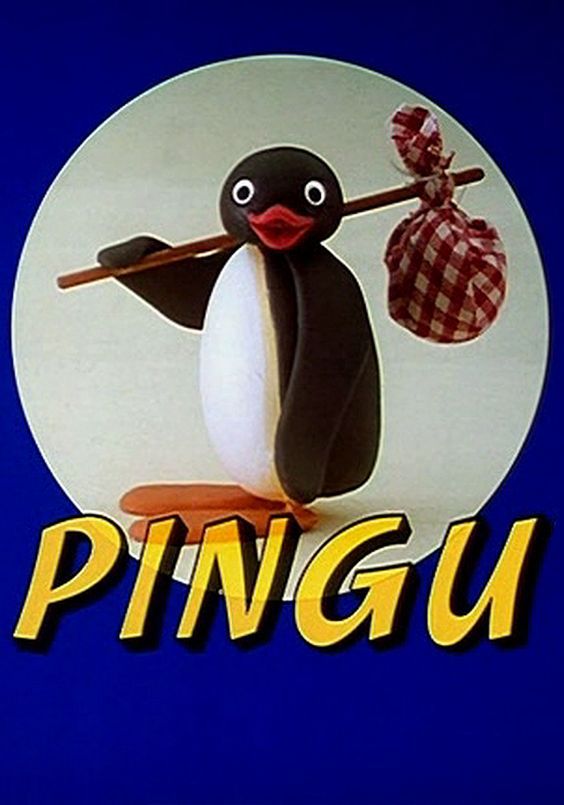





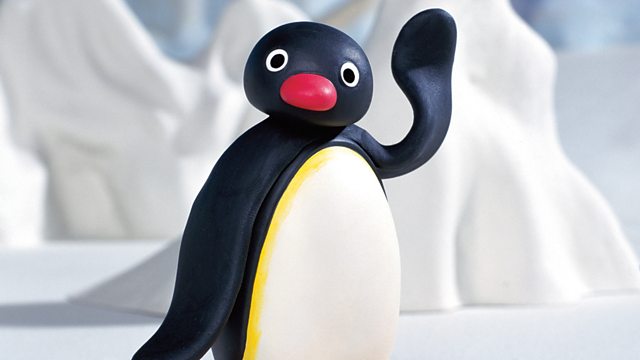
Pingu first appeared in the late 1980s and quickly became something truly unique. Set in a frozen world and told almost entirely without spoken language, the series follows Pingu, a young penguin learning how to navigate family, friends, and everyday frustrations.
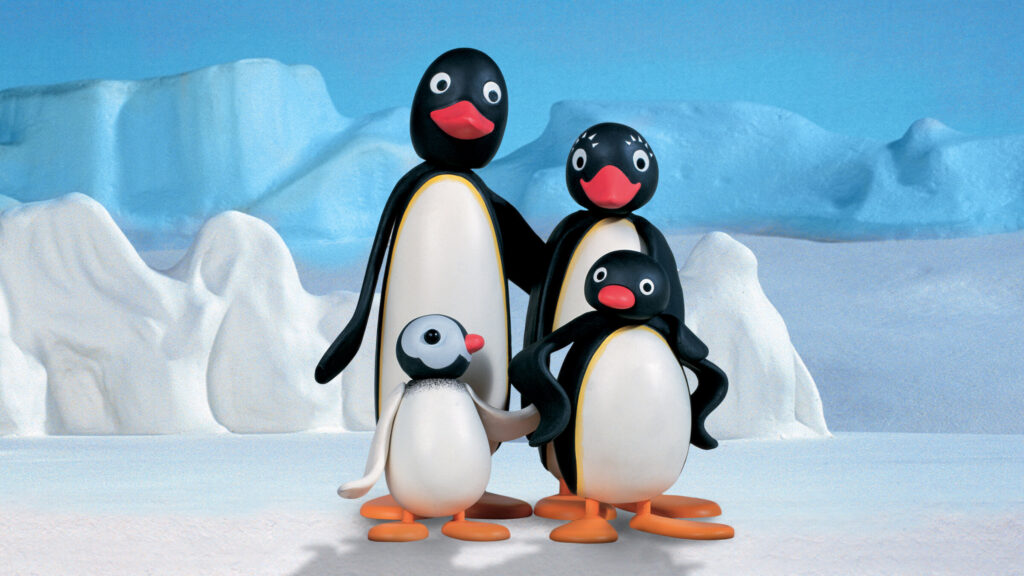
Stories are simple: Pingu goes to school, helps at home, gets jealous, makes mistakes, and learns from them. His parents are strict but caring, his sister is annoying in familiar ways, and his friends mirror the joys and tensions of childhood. Everything feels small and personal — and that’s exactly why it works.
The show’s signature sound language, built from expressive noises and tones, allows emotion to come through clearly. You always understand how Pingu feels, even without words. Anger, embarrassment, joy, and sadness are all there, exaggerated just enough to feel honest rather than cartoonish.
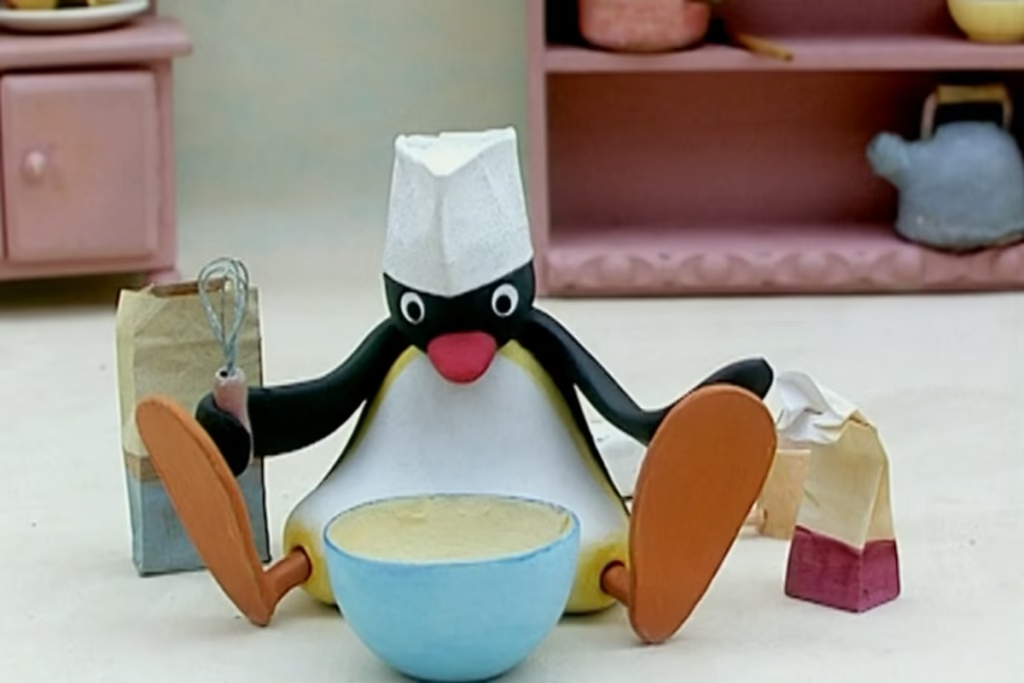
The stop-motion animation adds warmth and texture, making the world feel handmade and alive. There’s patience in how scenes unfold, giving moments space to breathe.
Pingu has lasted because it speaks to something universal. Childhood emotions don’t need translation. Whether you grew up watching it or discovered it later, the show reminds us that feeling understood doesn’t always require words — just empathy.