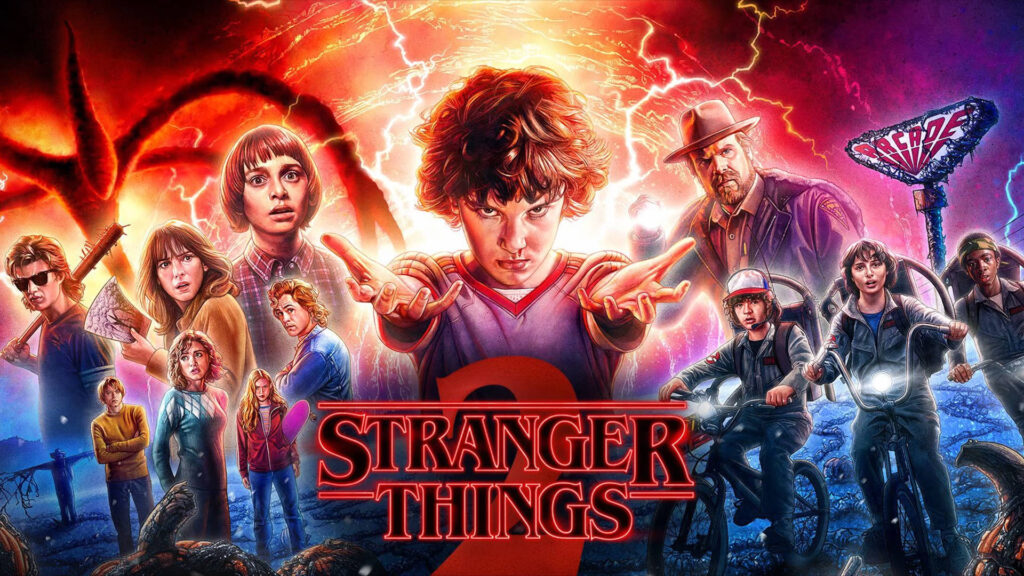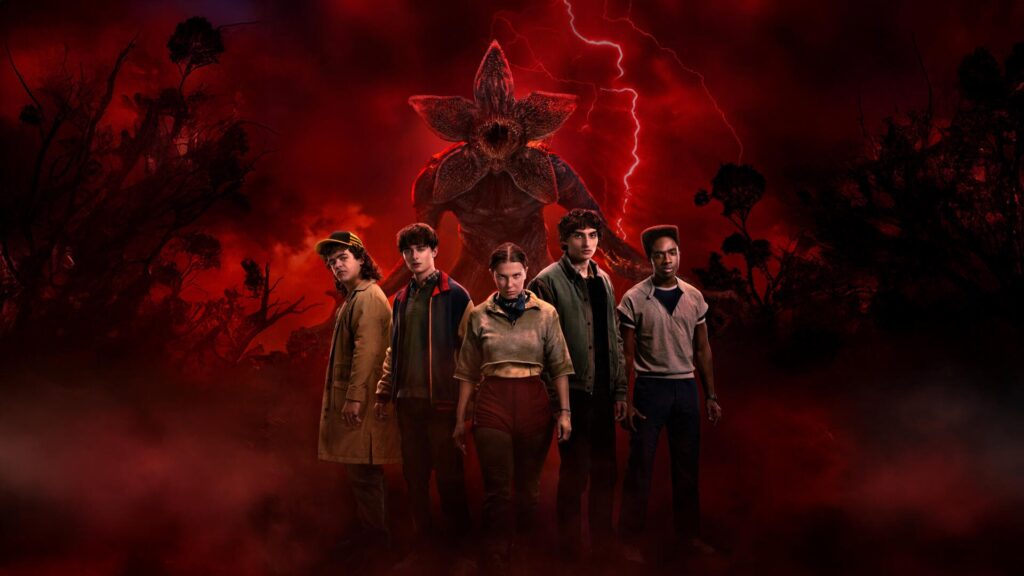





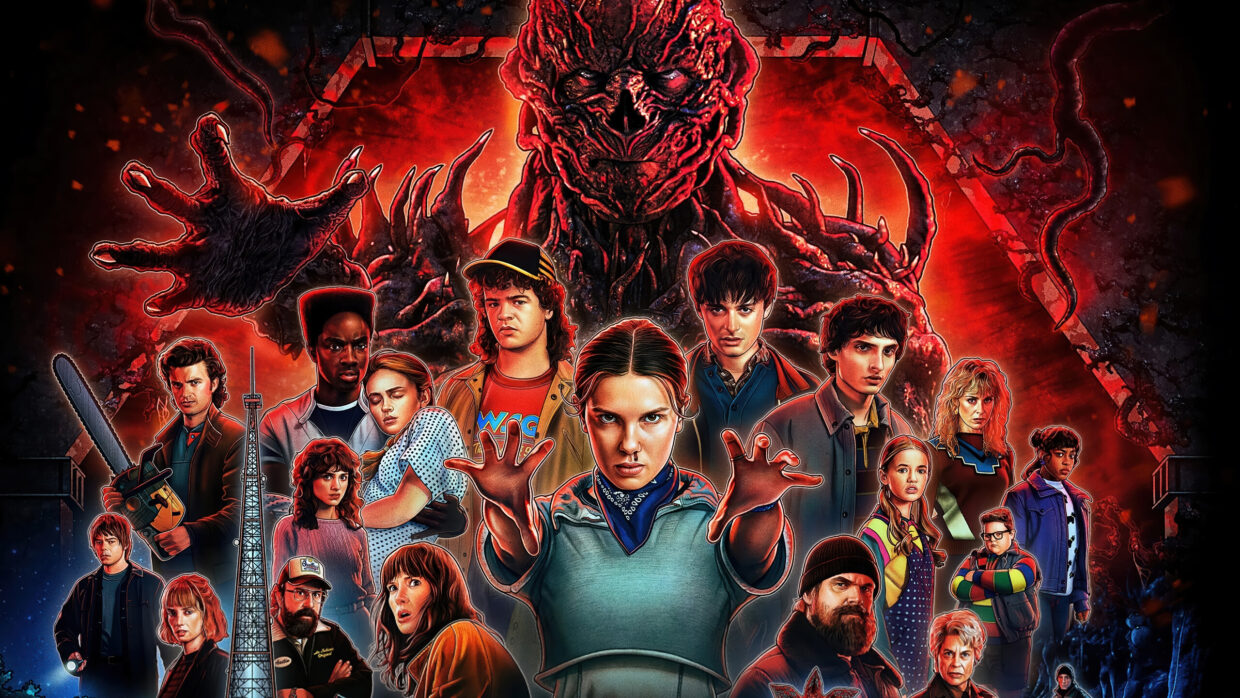
Released in: 2016 / Created by: The Duffer Brothers (Matt and Ross Duffer) / Main Cast: Millie Bobby Brown, Finn Wolfhard, Winona Ryder, David Harbour, Caleb McLaughlin, Gaten Matarazzo, Charlie Heaton, Natalia Dyer, Joe Keery, Maya Hawke, Noah Schnapp, Brett Gelman, Sadie Sink, Cara Buono
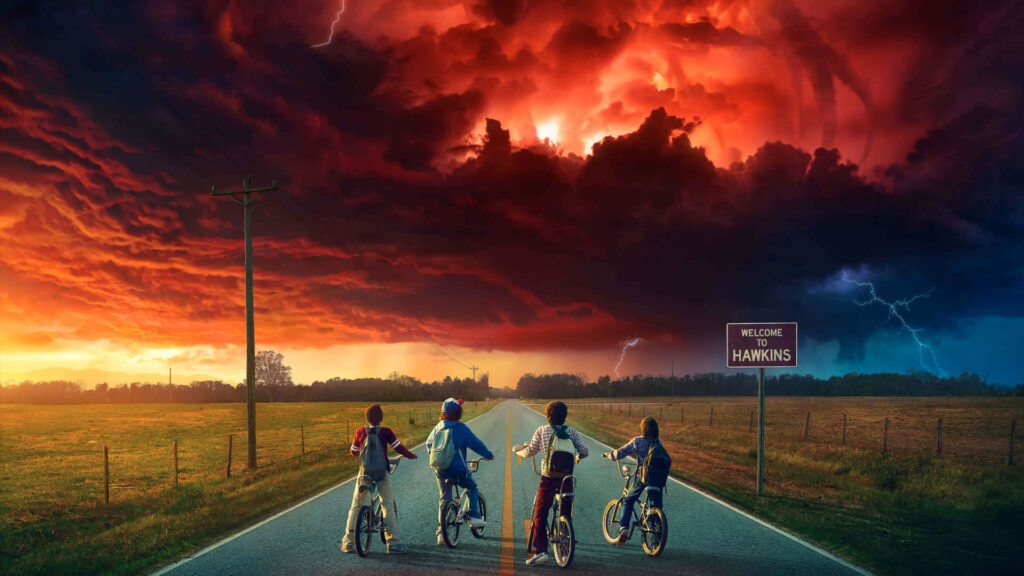
When Stranger Things first appeared in 2016, it didn’t feel like a cultural event in the making. It felt small and familiar: kids on bikes, quiet streets, worried parents, strange things happening just out of sight. And maybe that’s why it caught on so quickly. It didn’t announce itself as important — it invited people in.
From the start, the show tapped into something many viewers didn’t even realize they were missing. It brought back the feeling of watching stories where friendship mattered, where kids were allowed to be brave and scared at the same time, and where imagination filled the gaps adults couldn’t see. The 1980s setting helped, but nostalgia was never the whole point. What mattered was the emotion behind it — the sense of closeness, curiosity, and danger that comes with growing up.
The heart of Stranger Things has always been its characters. The kids feel real in a way that’s rare on television. They talk over each other, make bad decisions, get jealous, and forgive quickly. Their bond isn’t perfect, but it’s strong. When something threatens one of them, it feels personal — not because of special effects, but because the show takes the time to make you care.
As the series goes on, it allows its characters to change. Childhood fades. Teen years bring confusion, distance, and loss. The show doesn’t pretend that everything can stay the same. Instead, it lets moments pass and accepts that growing up is often painful. Characters carry what they’ve been through with them, and the story never fully resets. That honesty helps the world of the show feel lived-in rather than manufactured.
Outside the screen, Stranger Things became something rare: a shared experience. Songs from decades ago returned to the charts. Old games, bikes, and styles suddenly felt relevant again. People didn’t just watch the show — they talked about it, recommended it, and waited together for the next season. In a time when so much media is consumed alone and quickly forgotten, Stranger Things slowed things down and brought people together.
At its core, the show is about fear — not just of monsters, but of change. The Upside Down works because it reflects a common feeling: the moment you realize the world is bigger, darker, and harder than you thought it was. That realization is part of growing up, and Stranger Things captures it without overexplaining it.
That’s why the series has lasted. Not because of its references or creatures, but because it understands people. It knows that stories stick when they feel honest, when they respect emotion, and when they remind us of who we were — and who we’re becoming.
Stranger Things didn’t just look back at the past. It created new memories in the present. And for many viewers, that’s what made it special.